Routine
The Stabilizer of Peak Performance

Looking for patterns in the greatest performers is an obvious practice if one wishes to gain experience in a practice or pursue mastery of some sort.
Perhaps the most obvious pattern you can see in elite golfers is that of the pre shot and post shot routine. These processes can explain reliability and consistency found over a full round of golf, even more so for 72 holes. When a tour pro goes on an absolute tear, winning multiple in a row, it’s tough to explain just how this happens. PGA Tour golf offers the best in history roughly a 3% win rate. Winning at that clip (plus a major) will most certainly land you in the hall of fame when you decide to put up the sticks.
So how can we explain ridiculous runs found in pro golf?
3 Wins in a row
Nicklaus, Rory, DJ
6 Wins in a row
Hogan
7 Wins in a row
Woods
11 Wins in a row
Nelson
Outside of immense trust, otherworldly confidence, and swing thoughts (feels) clicking in all parts of the game. We can explain this consistency by way of a strict routine.
Intention
It’s important to note that a barrier for entry in elite professional golf is an intimate understanding of risk tolerance. There is experience found in these individuals that informs decisions of how much of the course to bite off, what shots/distances should be targeted, what pins should be aimed at, even how aggressive one can be with certain putts.
Proper intention and risk profiling will emerge in continued exposure to the game, not just in the context of risk-free practice but in the context of high pressure (whatever level ‘high pressure’ is to you in this moment).
Understanding your variance (discussed in more detail/link) is a practical step to ensure that your process can be trusted. It’s this understanding that will inform a logic as to where to aim, when to aim, whether it’s a seemingly aggressive play or one that feels too conservative.
When this is properly leveraged, you will be able to get over the ball with the knowledge, not doubt, that if you make a good move, find a clean strike, you will find your ball in a playable position. Once this is found, your confidence in each swing will rise, for some this is the game changer.
Pre-Shot
Professional golf is riddled with individuals that are able to place themselves in the exact same state, time and time again. When one refers to someone’s ‘professionalism’ in other industries, it’s common to find that this characteristic is often related to one’s relentless consistency.
Pro and elite amateur golf feature individuals that have a process that queues and triggers comfort in uncomfortable situations.
Think of your present pre-shot routine. Do you have one? If you do, is it consistent? Does it actively help you?
If you currently do not have one or know that you have one that is not bringing value currently. I invite you to write down something, anything you like that might allow you to hit a better shot in this moment. Pre-shot routines are unique to the individual, it’s the process of (including but not limited to):
-Assessing the lie of the golf ball
-Assessing the risk associated with the shot
-Assessing wind and conditions that affect the shot
-Finding the point and carry number that you intend to shoot for
-A meditative state of visualization of the intended outcome
-Practice swings, or queues, physically feeling your swing, sparking previous successful moves or shots
-An intense focus of the target (75-80% of the time, the target is not the pin)
-Fire away
If anything, and I do mean anything, gets in the way of the above process, it’s time to start over. From a nearby train passing by, to an internal thought of doubt or fear, there are many reasons you will see a ‘re-set’ both at the elite levels of the PGA tour to a well-established scratch handicap at your club.
To bring color on the levels of adherence to pre-shot routines, one of the games very greatest, Jack Nicklaus, would pound away at his routine on the practice range. In doing so, he would have a coach or caddy time his routine out. The target Nicklaus set was to ensure that his routine would not just be consistent to the second, but to the tenth of a second.
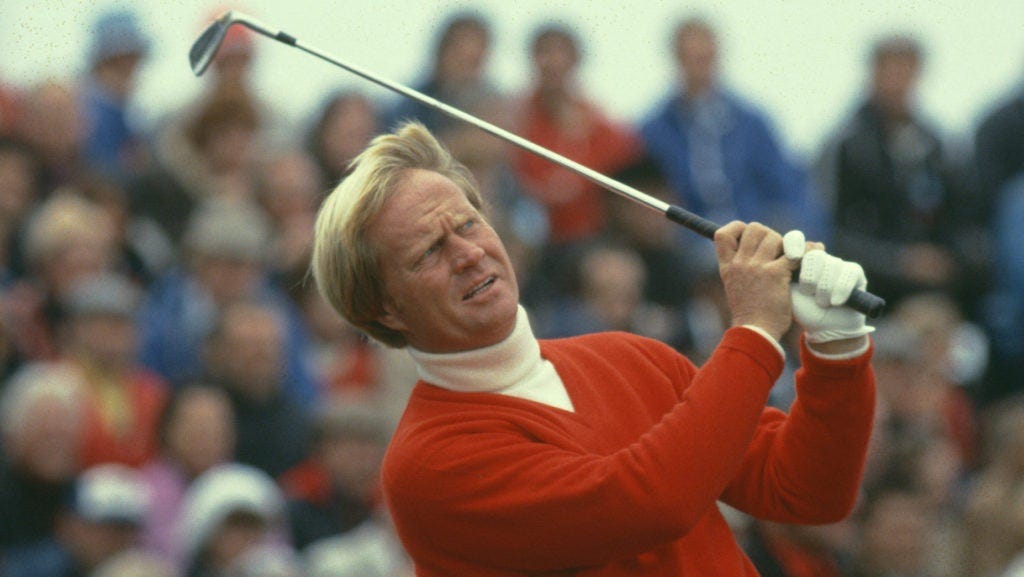
A friend of mine had the pleasure of playing a few rounds of golf with Jack. One afternoon, in South Africa, my friend stood on the tee with Jack and their host for the afternoon. Jack would explain that the left side of the fairway would offer a firming landing space, allowing for a greater bounce and more distance. My friend asked Jack to explain his reasoning. Jack would go on to identify the type of tree lining the left side of the fairway, identifying the fact these trees have a greater ability at pulling moisture out of surrounding soil compared to an ordinary grouping of sycamores or pines. Upon receiving this guidance, the host turned to my friend and stated, “some people are just better.”
Nicklaus was obsessed with finding that 0.1% that might make him better. His multi-decade career was a true testament to consistent curiosity, even looking to the trees for answers. I invite you to analyze your game in this light, find some low hanging fruit and attempt to move forward like Jack would.
Visualization
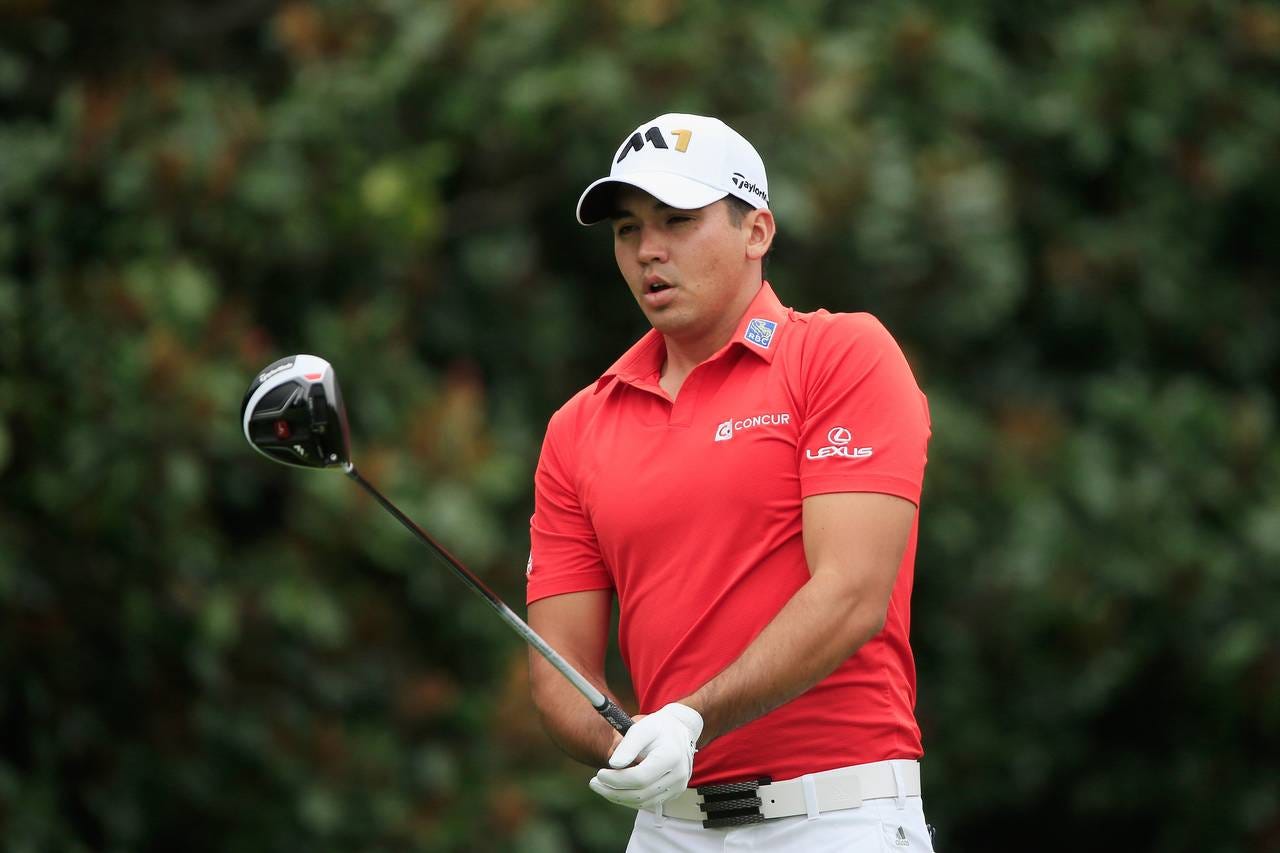
Every tour pro has a different approach in their pre-shot routine. Every pro has a different approach in their pre-shot visualization of their intention. Perhaps the most obvious and significant example of affective visualization is found in Jason Day’s process. While behind the ball, Jason closes his eyes, creating mental imagery of the shot he wishes to create. This practice brings in a meditative state of near suggestion. Seeing and living out what you intend to do in your mind’s eye.
There are several examples of visualization used at the highest level of many competitive endeavors. Pele would often take some time in the locker room before any match. Finding a quiet spot, with a couple towels, to be rested behind and over his head. It is said that Pele would attempt to re-live moments where the greatest joy was found in the game, playing pick-up games on the beaches of Brazil. His exercise would then move on to visualizing previous successes, then moving towards to present day, featuring his intention and hope for the match he was preparing for. Seeing it in your mind’s eye, or referencing and re-living a time from which you succeeded is a sure-fire way to buy a couple % points on the likelihood of you doing it again.
Post-Shot
Immense consistency is needed in the game of golf. To be good, not just great, you will need a process on the back end of each shot. A practice that is rooted in acceptance. The greatest error an average player can make is addressing the ball for the next shot, while still not in acceptance of their latest move, the shot that landed them in this position.
I invite players to watch the shot they create with as little emotion as possible, watch the full result. Take notes of the quality of the strike, the quality of the yardage and orientation of the shot. Walk to your bag, clean your club, and move forward to the next shot.
Something quite simple, but relentlessly consistent. I’ve always made a point to say that each time we attempt to move that golf ball, we are signing a contract of acceptance. At some point, you will accept the outcome of that shot. Depending on the severity of the consequence or situation, it could be years, perhaps decades before you accept that shot (perhaps you just blew an opportunity to win a major), perhaps it will only take you a second or two to accept that shot. No matter the situation, it is of clear benefit that acceptance is found before you line up to do it again, anything less than that is a known headwind for greatness to come.
Contact, Questions, Comments: jon@praxisperf.com