Flow Killers
How Not to Ruin the Party

Think back to your best rounds, whether they are in competition or mere practice. There is usually some alignment, some similarity, some familiarity.
There’s trust, confidence, positivity, hope. Frankly, a great feeling, everything about playing well generally feels good. The way I experience and describe flow is very different to how you may interact with these states of peak performance.
The golden question is how on earth do we get there. My best answer: identify times where you freely and effortlessly played your best, dissect what ‘was different’ in that day, apply those characteristics to your routine or future focus, repeat, repeat, repeat.
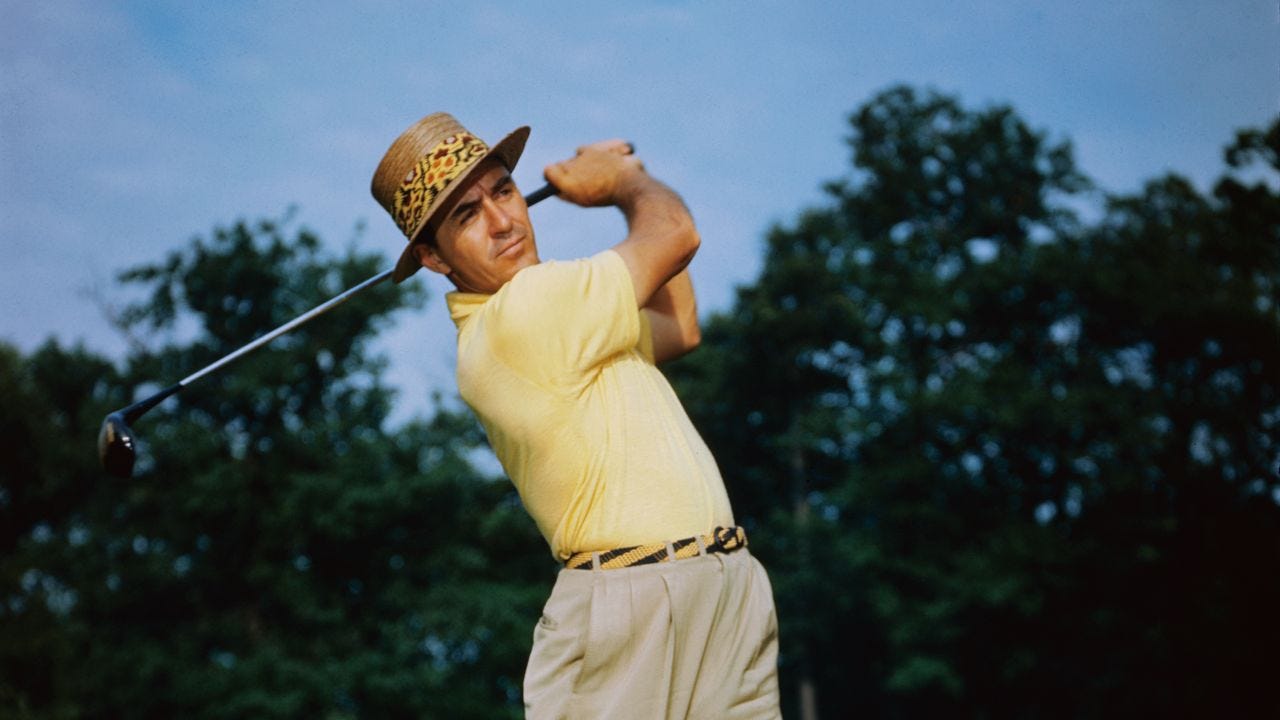
Sam Snead once said that “practice puts brains in your muscles”. A great golf quote that many of us can relate to. I challenge you to view your ability to access flow as a muscle. Your ‘flow muscle’ will be stronger or weaker than others, depending on your experience, ability and the amount of time you’ve spent in flow on the golf course. No matter where your starting blocks are in this moment, you can still grow it, you can still strengthen it. You can still reap the benefit of observing its growth in strength over time.
No matter how strong that ‘flow muscle’ is, there are lines of thinking and behavior that will take you from that peak performance state. Flow Killers, if you will.
Getting Ahead, Getting Behind
Flow lives in the present. Leading flow expert, Stephen Kotler, is very clear about this, so much so that he calls the state the ‘deep now’. Flow cannot live let alone thrive when our attention is mistakenly placed on the result (I want to break 80 today), thinking ahead to future holes, future challenges, anything beyond the shot at hand. Fixating on previous holes, mistakes, and misses is just as bad. When we are in flow and have full control, it’s scary how present we can be, completely content in the moment, not aching to focus elsewhere. We must be present.
Poor Routine, Goals are not Clear
Peak performance requires that we have clear intention for our energies. In this context, the intention is to hit our target to the best of our ability. Even when the hole or pin is not our direct target, we must place our intention, our clear focus on as small a target as we possibly can. A solid pre-shot routine is foundational is providing consistency in the key seconds we have before we strike each shot. The routine will help defend against wandering intent and unclear goal. Just like a wandering hiker in the woods is surely to get lost without clear goals, clear intention.
Not recovering emotionally from a bad shot
In my view, the greatest error you can make in this game is not taking advantage of the nature of the sport. It’s one of the few popular sports where you are the one to control the timing, the start, the action. Now, I am not making a case for taking more than 45 seconds or a minute to hit the shot. What I am referring to is not allowing yourself to recover. Deciding to pull the trigger when you are still emotional, ruminating on the past, allowing your energy to focus on something you cannot change. Walter Hagen once said: “I expect to make at least seven mistakes in a round. Therefore, when I make a bad shot, I don’t worry about it. It is just one of those seven.”
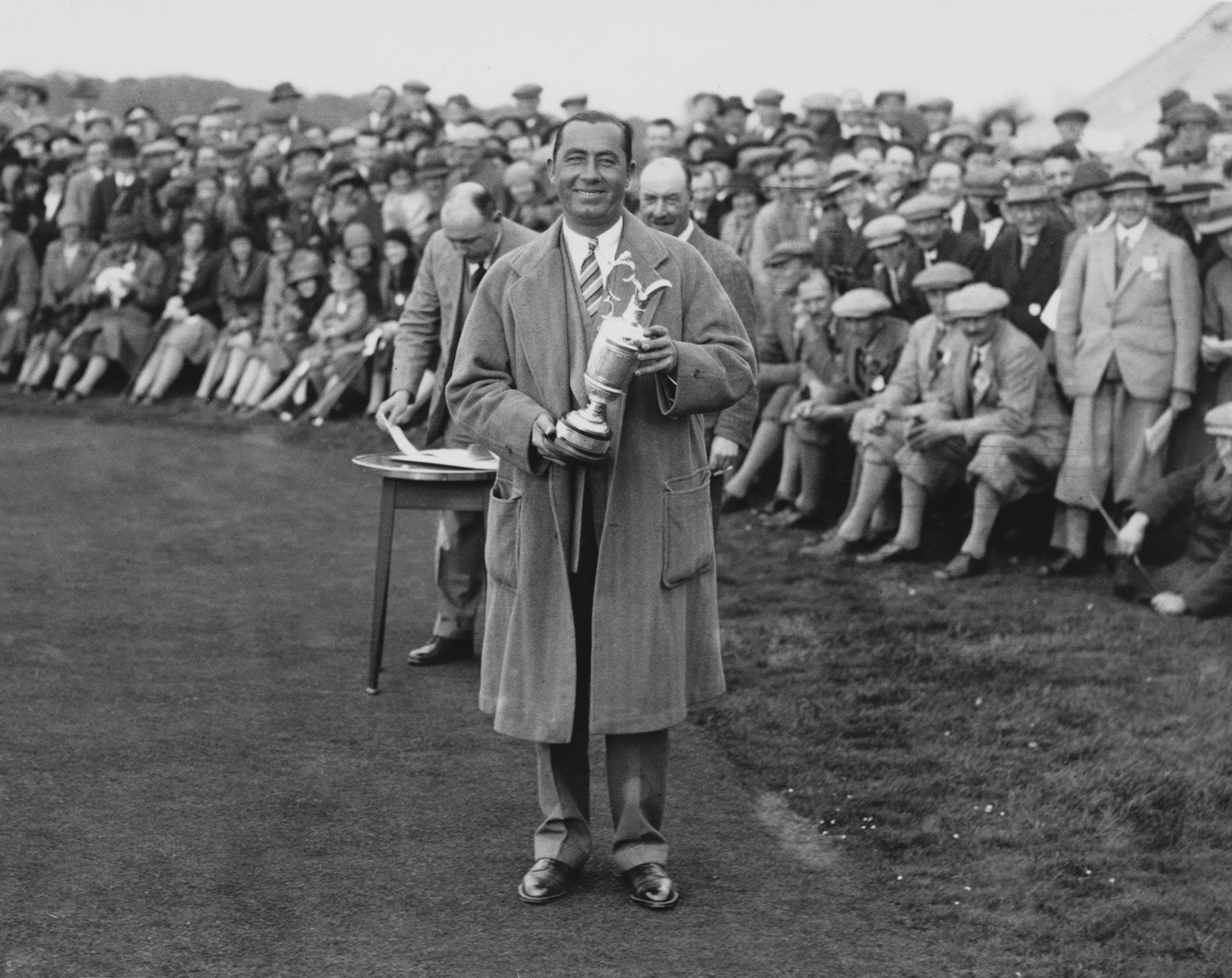
I don’t know about you, but I do not hold eleven major championships to my name. As a mid-amateur competitor, I allow myself ten less than stellar shots with complete acceptance. Just like your ‘flow muscle’ if you are just starting to think this way, it will take time, the knee-jerk reaction will still be the same.
To the same point, Jack Nicklaus was once talking about managing frustration or anger on the golf course. Now this may have been later in his career, years of professional experience informing his thought. Jack stated that he never felt he got good enough at this game to be angry with any result of a bad shot.
There seems to be tenets of mindset in the two individuals who have collectively won 29 of the 470 major championships hosted thus far in history.
Being Resistant to the Moment
In golf, when any level of fear, apprehension, or nerves rear their head, acknowledge that the only reason they are present is due to the fact that you care about the result. You desire something that is not guaranteed. This is when the feelings of fight or flight begin to kick in. Focus escapes to things you cannot control, perhaps you choose the flight, desiring for nothing more than to be airlifted out of the present situation. Choose to embrace it. Flow cannot operate in flight, flow cannot operate playing defense, where the intention is to avoid failure rather than pursue success.
I have a close friend that plays one of the secondary professional tours internationally. In preparation, he was playing a small tournament in Spain. His result for the day would be a -14, 58. A round where a few have speculated that only thirty-some single round performances exist in history that are any better. Since what he experienced during those four and a half hours aligned heavily with my academic interest, we had a chat. With three to play, my friend knew he had a real chance of shooting in the 50s, something that he had only dreamed about. A profound sense of calm surrounded him. This individual has a plethora of experience in high level professional and amateur golf. He’s pushed these limits before, not in scoring but in winning, accomplishing. My thought is that at a subconscious level, this individual knows what’s best for him, he knows where he plays his best golf. He allowed himself to embrace a perhaps once in a lifetime opportunity and trusted in his abilities fully. His subconscious conviction was so that he felt profoundly calm in a moment that makes me nervous just writing about it.
4 Key’s to Not Ruin the Party
Be Present
Have clear Intention
Complete Acceptance
Embrace the result
Thoughts, Questions, Contact:
Email: jon@praxisperf.com
Web: www.praxisperf.com